

Quick Summary
Comb vs wire binding depends on how the report will be used: comb binding opens fully and makes it easy to add, remove or replace pages, while wire binding looks more formal and lies flat on a desk. Comb suits drafts and documents that change often, and wire suits final, thicker reports opened in front of an audience.
- Comb binding is easier to open, reopen and edit than wire binding.
- Wire binding lies flat and suits thicker documents and final submissions.
- Check the spine capacity on the box before punching, since undersized spines split.
- Heavy card stock takes more room in each hole than standard copy paper.
- A quality cover improves the finished look with either binding method.
Table of Contents
- Comb vs Wire Binding: What Each Method Actually Is
- How Each Binding Method Works, Step by Step
- Comb Binding Page Capacity and Document Thickness
- Wire Binding Page Capacity and Lie-Flat Performance
- Durability, Professional Appearance and Editing Pages
- Which Binding Suits Your Report: A Decision Matrix
- Equipment, Costs and Choosing Your Binding Setup in Lebanon
- Frequently Asked Questions
Comb vs Wire Binding: What Each Method Actually Is
Last Updated: November 17, 2026
Choosing between comb vs wire binding for professional reports comes down to how the finished document needs to look, feel and be used. Dabbous Mega Supplies carries the binding machines, spines and covers that go into both methods, and the choice comes up often with office managers and small firms. Comb binding uses a row of plastic teeth that thread through punched holes. Wire binding uses a metal coil or double loop. Both hold a report together, but they behave differently once the pages are in your hands.
Comb binding is the more familiar option, using a plastic spine with a row of prongs that line up with punched page holes. Wire binding, often called Wire-O or twin-loop binding, uses a metal wire threaded through a pair of rows of holes. It is the choice most people reach for when a report must open flat and stay that way.
Here is the short version for a reader in a hurry. Comb binding is generally easy to open, reopen and edit, while wire binding looks more formal and lies flat. For a closer side-by-side look at thermal and comb options for small business reports, see the comparison. Neither is "better" in every case, so the right pick depends on how many pages you have and who will read the document.
How Each Binding Method Works, Step by Step
Both methods follow the same basic order: punch, thread, close. The tools differ, and that is where most of the practical differences start.
For comb binding, you punch the page holes with a combination punch, then open the comb spine and slide it onto the prongs. You then close the spine with a comb binding machine or by hand. The result is a document that opens fully and lets you add or remove pages later.
For wire binding, the holes are punched in a double row, which needs a different punch head. You thread the wire through the holes and close each loop with a wire closing tool. This step takes more care, because a bent or unevenly closed loop is hard to fix once it is locked.
Watch out: a comb spine sized too small for your page count will split or pop when you try to close it. Check the capacity on the box before you start punching.
Comb Binding Page Capacity and Document Thickness
Comb binding handles many thicknesses, but each spine size has a limit. Spines are sold by diameter, and the diameter sets how many sheets the book can hold. Choose a spine whose capacity matches your page count, and check the capacity printed on the box.
Our Binditek Comb Binding Spines (100 box, LBP 4) come in a box of 100 for regular use. For a report that grows over time, comb binding suits you well, because you can open the spine and insert extra pages without rebinding the whole document.
Thickness also depends on paper weight. Heavy card stock takes up more room in each hole than standard copy paper, so count the paper you actually print on, not just the page number.
Wire Binding Page Capacity and Lie-Flat Performance
Wire binding is the stronger choice for thicker documents and for reports that must lie flat on a desk. The metal coil or double loop spreads the pages evenly and holds a large stack without bulging at the spine.
Wire binding can give a more finished look for formal documents. The trade-off is that wire is harder to edit. Removing a page means cutting or reopening loops, which is slower than with comb.
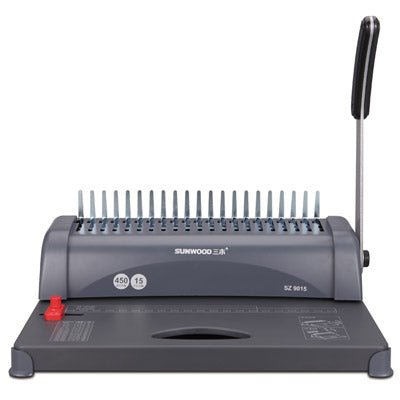
The Sunwood SZ9012 Manual Binding Machine punches up to 15 sheets and binds up to 450 sheets, with a full metal body.
Durability, Professional Appearance and Editing Pages
Durability depends on how often the document will be handled. Comb binding suits drafts and materials that change often, while wire binding is commonly chosen for final versions.
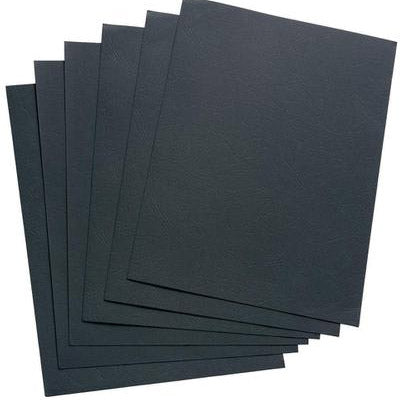
For appearance, a finished cover makes a bigger difference than the spine alone. Our Leather Grain A4 PVC Binding Covers (LBP 8 each) are made from durable PVC and give the document a professional finish. Pair the cover with either binding method, and the report looks professionally produced.
Editing is where comb binding pulls ahead. A comb-bound report can have pages added, removed or replaced without destroying the binding. A wire-bound report usually needs to be rebound. If your document goes through several rounds of review, comb binding saves time.
Which Binding Suits Your Report: A Decision Matrix
Most binding comparisons stop at a generic pros-and-cons list. For professional reports, the decision should start from the document's purpose, its audience, how many revision rounds it will go through, and where it will be presented. Use the matrix below to score your report against the factors that actually change the recommendation.

| Report factor | What to ask | Points toward comb | Points toward wire |
|---|---|---|---|
| Purpose | Is this a draft, an internal working document, or a final submission? | Drafts, internal reviews, training packs | Final submissions, board packs, client-facing proposals |
| Audience | Will the reader judge the finish, or just the content? | Internal teams, classroom use | Executives, clients, regulators, tender committees |
| Revision cycle | How many rounds of edits before sign-off? | Three or more rounds | One or two rounds, then locked |
| Presentation setting | Will it be opened flat on a table during a meeting? | Hand-held reading, filing | Desk presentation, side-by-side comparison |
| Thickness | How many sheets at final page count? | Up to a mid-size spine | Thicker stacks, large manuals |
| Archive life | Will it be stored and reopened for years? | Short-to-medium retention | Long-term retention and repeated opening |
| Budget per copy | What is the all-in cost per finished report? | Lower supply cost per book | Higher supply cost, better finish |
Score each row for your document. If most rows land in the comb column, comb binding is the practical choice. If the report is final, thick, and will be opened flat in front of an audience, wire binding earns its higher cost.
A few report-specific patterns are worth calling out. Financial reports and board packs usually favor wire because they are opened flat during review and need to look final. Proposals and tender submissions often favor wire for the same reason, plus the non-editable finish signals that the document is the submitted version. Internal manuals, training materials, and policy drafts usually favor comb because they change often and pages get swapped between revisions. Client presentations that will be handled repeatedly benefit from wire's tighter page hold, while working documents that will be photocopied or scanned favor comb because the plastic spine is easier to remove and replace without damaging pages.
Watch out: a report that will be scanned or photocopied page-by-page is easier to handle in comb binding, because the spine can be reopened and the pages laid flat without cutting wire loops.
If your report sits between the two, for example, a final submission that may still need one late page swap, comb binding with a quality cover is a reasonable compromise, but plan to rebind if the document is archived long-term.
Equipment, Costs and Choosing Your Binding Setup in Lebanon
The binding method you choose affects more than the spine price. A realistic setup decision should account for the machine, the consumables, the labor per report, and the cost of revising or replacing a bound document. The numbers below are typical for a small office binding a handful of reports a month, and they are quoted in LBP so you can compare against your own supplier quotes.
Start with the machine. A manual comb binder is the lowest-entry option and suits low-volume offices. If you are still unsure which machine fits your workload, read how to choose the right binding machine for office use. Our Sunwood SZ9012 Manual Binding Machine (LBP 50) punches up to 15 sheets and binds up to 450 sheets, with a full metal body for regular office use. For wire binding, the same punch-and-bind workflow applies, but you need a wire closing tool or pliers to finish each loop. Wire pliers (LBP 4) are available in our catalog as an accessory.
Consumables are the recurring cost. Comb spines are sold in boxes, and our Binditek Comb Binding Spines (100 box, LBP 4 per spine) let you match spine diameter to page count without buying a mixed pack. Our Binditek A4 Slide Binding (100 box, LBP 6) is a 100-box slide binding option. Wire supplies cost more per book than comb, which is why wire is usually reserved for final reports rather than drafts. Keep a few extra spines of each size on hand so a last-minute report never stalls the office.
Labor is the hidden cost. Comb binding is faster to open and reopen, so a report that goes through three review rounds costs less in staff time than a wire-bound report that must be cut and rebound each round. A common pattern is that comb wins on total cost for documents with heavy revision, while wire wins on total cost for final documents that will not change.
Capacity and compatibility matter as much as price. Comb spines are sized by diameter, and the diameter sets the sheet capacity; a spine sized too small for the stack will split or pop when closed. Wire binding uses a double row of holes, which needs a different punch head than comb, so confirm your punch pattern matches your wire supply before ordering. Heavy cover stock takes up more room in each hole than standard copy paper, so count the paper you actually print on, not just the page number. Our Leather Grain A4 PVC Binding Covers (LBP 8 each) give a polished first impression and protect the front page, and they work with either binding method as long as the punch pattern matches.
Before running a batch, bind one test copy to confirm punch, spine, and cover all match.
Whichever method you pick, the decision comes down to how the report will be used. Start from the document, not the machine.
Frequently Asked Questions
Is comb or wire binding better for professional reports?
Neither wins on every count. Comb binding suits reports that get edited, updated or reprinted, because pages can be added or removed by opening the spine. Wire binding suits reports that need a sleeker, more durable finish and that must lie flat when open. For most business reports that are final and client-facing, wire binding looks more polished. For internal drafts and reports that change often, comb binding is the more practical choice.
What is the difference between comb binding and wire binding?
Comb binding uses a plastic spine with a row of prongs that pass through punched holes and close into rounds. Wire binding uses a metal double-loop wire threaded through rectangular punched holes. Comb is quicker to produce and easier to reopen; wire is more durable, holds pages more securely and sits flatter when opened. Both use the same family of binding machines, though wire needs a dedicated wire binding machine and pliers to close the loops.
Which binding style looks more professional?
Wire binding generally looks more polished and formal, especially for client proposals and annual reports. Pair either method with a leather grain A4 PVC binding cover from Dabbous Mega Supplies to give the front of the report a clean, professional finish, which matters more than the spine alone when the reader first picks it up.
Can you add or remove pages from a comb-bound report?
Yes. A comb-bound report can be reopened by pressing the spine's prongs apart, which lets you insert or remove pages and close it again with the same comb. This makes comb binding well suited to drafts and reports that are updated regularly. A wire-bound report can also be opened, but the wire loops are harder to reopen without damaging them, so it is better treated as a finished document.


